
The Color Purple (2023) Enhanced Cinematography
I loves Oprah, God knows I do, but she needs to leave The Color Purple alone. Let it rest, O, please.
I finally got the theater to see the film – yes, it actually is a remake of a remake of a remake, despite the push to call it a reimagining. I saw the original film (1985) some time after it first came out. I was deemed too young for some of the content upon release. However, I had already read and bonded deeply with the book (1982 by Alice Walker). Once I saw the movie and ever since, it has been my favorite movie. Nothing has knocked it from its premier spot in my heart. Joy Luck Club is a close second, but I’ve never read that book. You may spot a theme here.
I moved to New York in September 2005. The first Color Purple Broadway production opened on December 1, 2005. As broke as I was – my car got repo-ed that month as I had to choose between paying my rent or catching up on my car note – I still made it my business to be at that show the first or second night. I can tell you honestly, it did not leave an impression. There’s not one memorable scene, song, performer, or set design, that stands out in memory. What I remember is Oprah’s push to get the production on Broadway and her wrangling of support from across the entertainment community. I remember her dedication to sharing this story in a different format for a different audience twenty years after the cinematic debut.
The Color Purple may have been my first Broadway show – I can’t even remember if that is the case. But knowing I had no money, that most likely is the case. Even so, it left no lasting impression other than the sexual relationship between Celie and Shug seeming to be enhanced and expanded. It led to me rereading the book to see where the disconnect was coming from.

Ten years later, The Color Purple was revived on Broadway with another reimagining. Oprah, of course, was at the helm to this production as well. I do remember this production. I enjoyed the songs enough to buy the CD. Danielle Brooks and Cynthia Erivo’s performances were stellar. The set design was beautifully evocative and fitting to the story.
The second Broadway musical also seemed to put more focus on the sexual relationship between Celie and Shug.

Although they had a relationship and Shug introduced love to Celie physically, emotionally and spiritually, the sexual aspect of their relationship is not the core of their story. The way they found each other in friendship and sisterhood is the core of their story. That’s the beauty of their arc.
Both Celie and Shug were beaten and downtrodden in different ways but connected through one man. This man, Mister to Celie and Albert to Shug, was the love of Shug’s life but he was too weak to stand up and speak for her to his father. Albert’s weakness made Shug resentful, bitter and somewhat hateful.
Mister married Celie because he couldn’t claim another girl he wanted, her sister, Nettie. He abused Celie for not being either of the women he wanted in his life. Celie went from her father’s sexual abuse to a husband who purchased her with a cow and treated her worse than any animal on his farm.
Before Shug, the only people who had ever showed Celie gentleness and care were her mother and sister, both distant memories by the time she meets Shug. Mother was long dead and sister had been exiled from Mister’s house on the threat of death for refusing his continued advances. Shortly after Mister threatened Nettie’s life, she left on a missionary trip to Africa with the local pastor and his wife.
Celie was enamored with Shug because Mister was enamored with Shug. Not only was he terrified of Shug’s wrath and displeasure with him, he softened when Shug was in town. He didn’t beat Celie or force himself on her. The fact that someone could have such an effect on such a horrible person mesmerized her. She wanted to get closer to that power and began sitting with Shug and ministering to her. Cooking for her, feeding her, bathing her, doing her hair – until Shug softened towards Celie and began ministering to her. Shug shared her power, wisdom and experience. She spoke kindly and gently to Celie and taught her by example how to speak up for herself. Shug respected Celie for accepting her so thoroughly despite her history with Albert/Mister and her lifestyle.
As Shug was exposed to the evidence of Mister’s cruelty towards Celie, she began disengaging from him in favor of championing Celie. None of this had to do with sexual attraction. It had everything to do with humanity. Perhaps the heavy-handedness with their physical relationship is why the musicals didn’t click fully for me.
I was not excited about the release of the second movie which was heavily billed as a re-imagining, not a remake. Or a remake of the second Broadway production, not the original film. However, the script was almost line for line with the original film (1985). The scenes were almost in tandem as well.
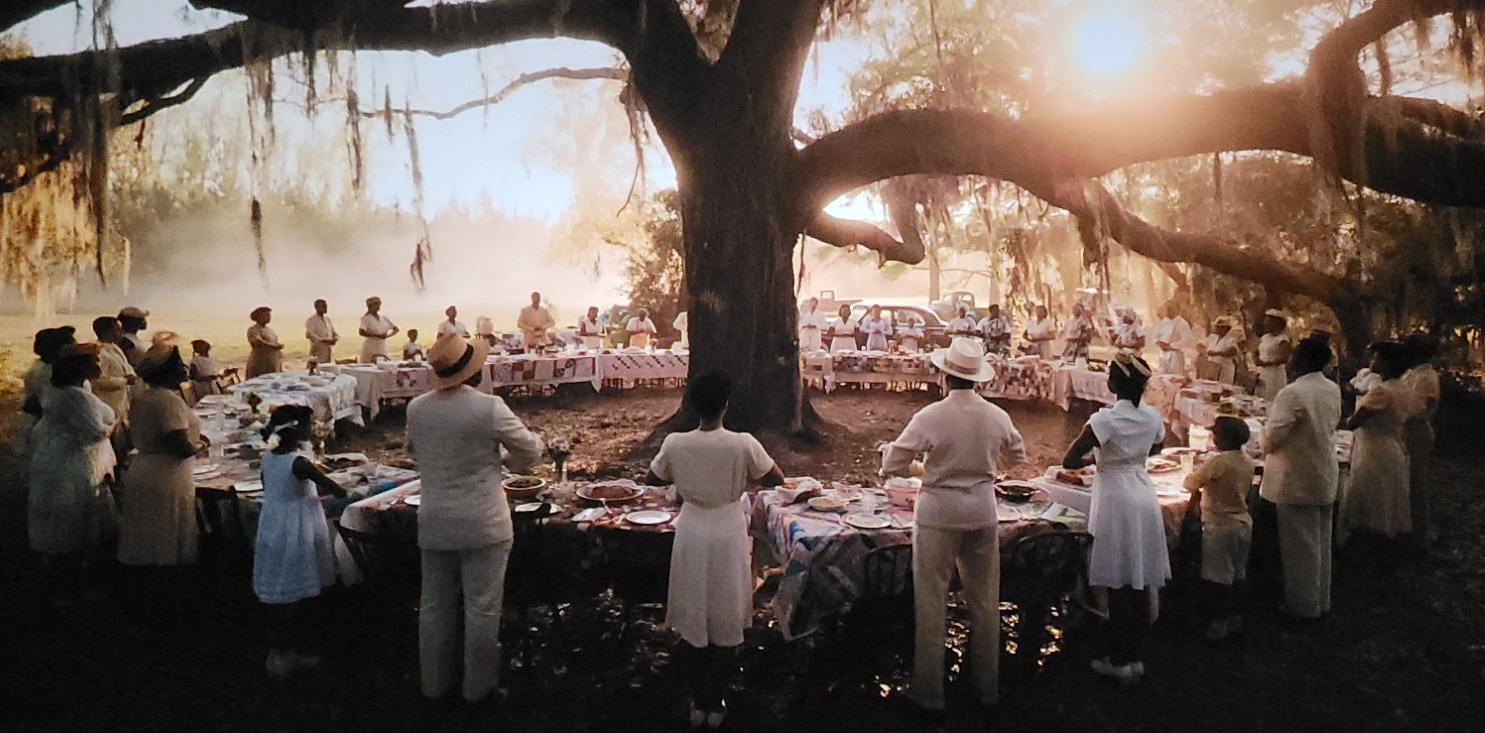
That being said, the updated imagery in the 2023 film is breathtaking. Aesthetically, it’s a beautiful film. Following the premiere, Ava DuVernay posted on IG that viewers should look at this new version as “a different shade of purple rather than a remake.” It is certainly a more vibrant and elaborate visual than the original and the two Broadway productions. But it’s a remake all the same.
There was a lot of talk about viewers not expecting it to be musical. The original film had a few songs that became stand-alone messages. Each Broadway show added songs. This second film didn’t come across as a musical to me because the original songs were incorporated in a similar way as in the original film. For the most part, the music was part of the story telling.
That being said, some of the additional songs were treated like numbers in a musical – with dancing and solos. However, they did not advance the story. They were visually nice, perhaps catchy, but overall did not add substance.
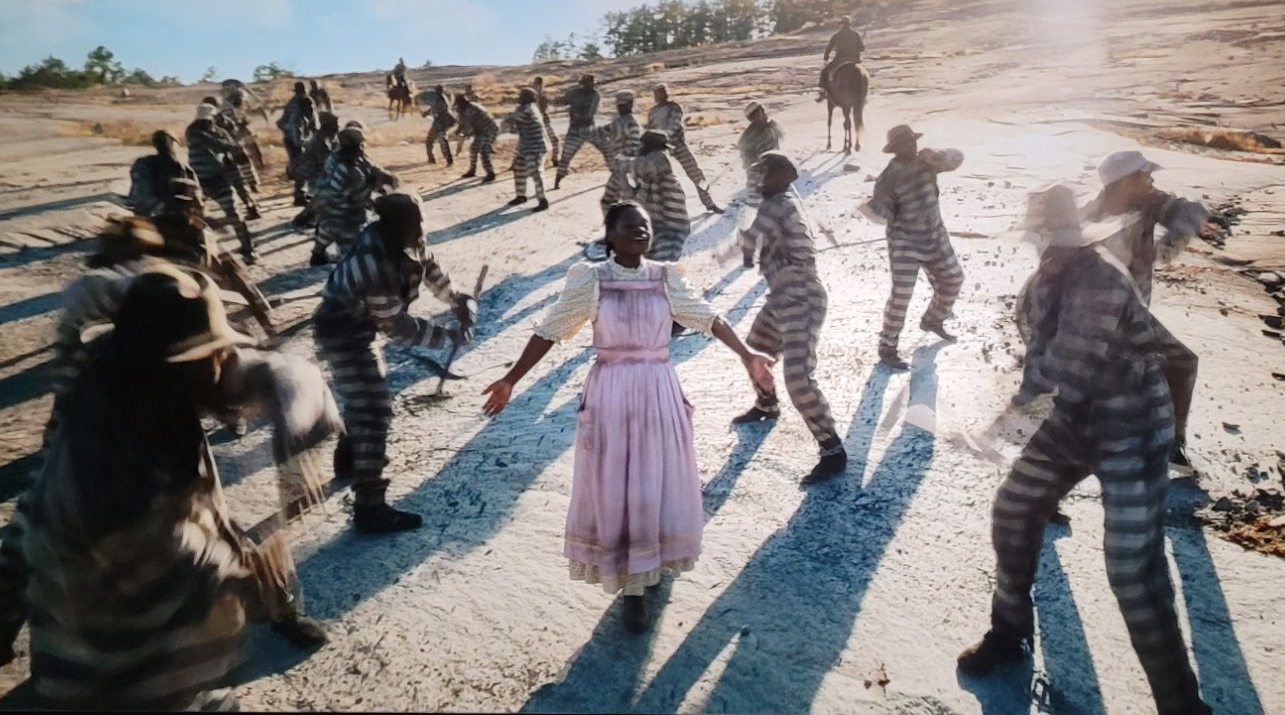


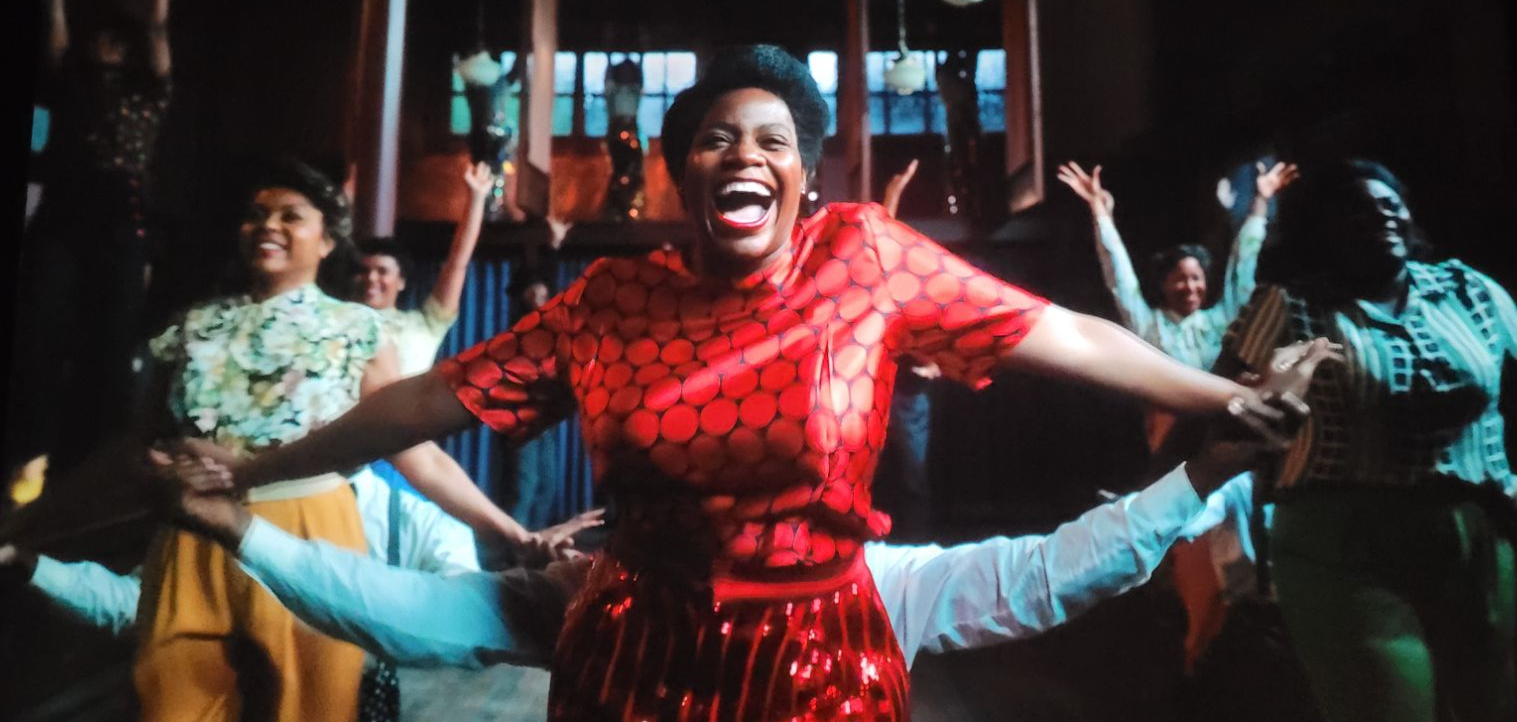
With the added song and dance acts, this second film felt like a Broadway production, actually. With the marketing in mind, this may have been the goal. It also felt like a culmination of fifty years of Black artistic mastery in movement and imagery.
What I liked
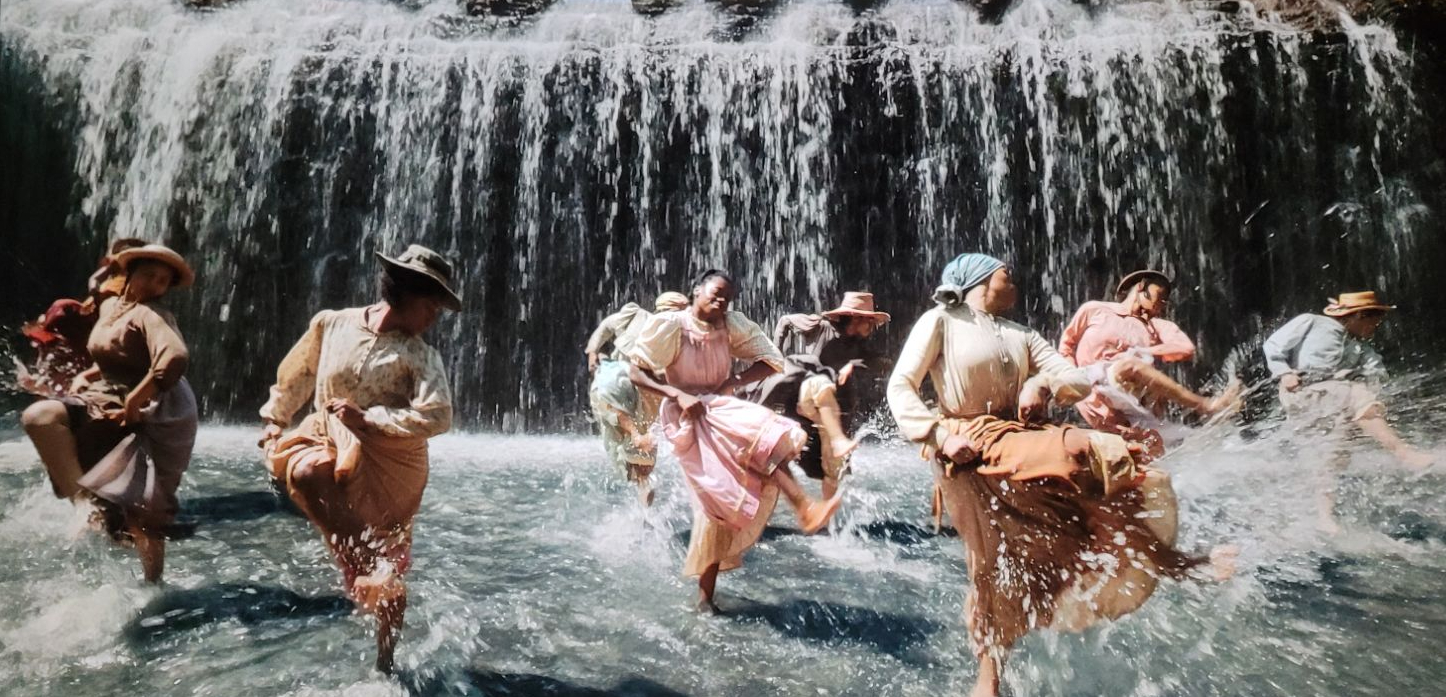
There was so much that spoke to me from other artists, productions and genres in the scene compositions, choreography, movement, design, colors and presentation. I saw Eddie Barnes’ Sugar Shack influence in a scene. I saw elements of Chicago (both Broadway and film), I recognized Alvin Ailey mostly in the water routines. Their Wade in the Water and Revelations routines came to mind. The ensemble chorus line dancing and design of the dream sequences were pure Broadway – only bigger and grander. Amazing scale and beauty.
The beauty of the cinematography is at times breathtaking and surprising. I don’t remember any large body of water scenes in the original film, but in this one there was a lot of water. We got an ocean, a river, a waterfall and pouring rain. Water is very prominent. It gives a different feel for where in Georgia the story is taking place. I always had a sense of their town being landlocked and closed in. The water imagery in the second film gave the idea of escape and connection.
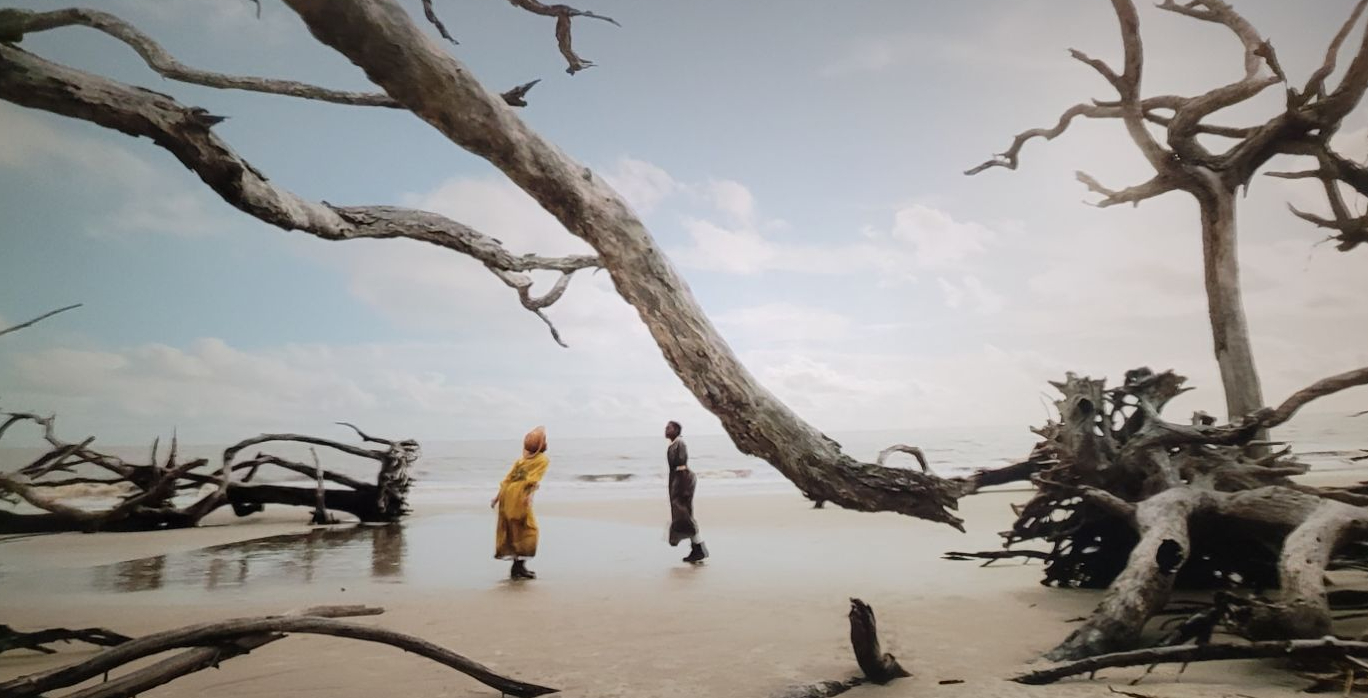


At one point, young Nettie, tells her sister Celie, “We are more than kings and queens. We are at the center of the universe.” Perhaps the water is the visual of that sentiment, i.e. we are so much greater than where we are.
Danielle as Sophia

Danielle Brooks played Sophia in the second Broadway production. She didn’t miss a beat in this film. Stunning, vibrant, natural. Her embodiment of Sophia is seen and felt.
Coleman as Mista.

Coleman Domingo made me a fan through his portrayal of one of my most hated literary villains, Mister. He showed up and played the character fully and made Mister his own. It didn’t feel like he was nodding to another version or celebrated actor. He got the tone, words, language and mannerisms down. And made me squirm every time he appeared on screen.
What I disliked
There was absolutely no emotional impact for me in this film. Mind youi, the original Color Purple is my all time favorite film. I’ve watched it on average once a year since it came out on video. I still cry at the same spots every time, even though I can recite the film line for line.
The 2023 remake came off as a tribute to the original without the depth or character development. It moved at a clip as if it was determined to get in all the scenes in record time, while adding it’s own take with new scenes and visuals. It is almost scene for scene with the original, but the actors and their interactions didn’t emote like the original. It’s like they framed it but didn’t fill it.
Even Celie’s famed exit from Mister’s house was tame. The main climax of the movie! The moment Celie finds her voice and uses it to tell Mister what’s coming his way as she walks out the door. Her short speech, ” I’m black. I’m poor. I may even to ugly, but Dear God I’m here!” was simply spoken with no passion.
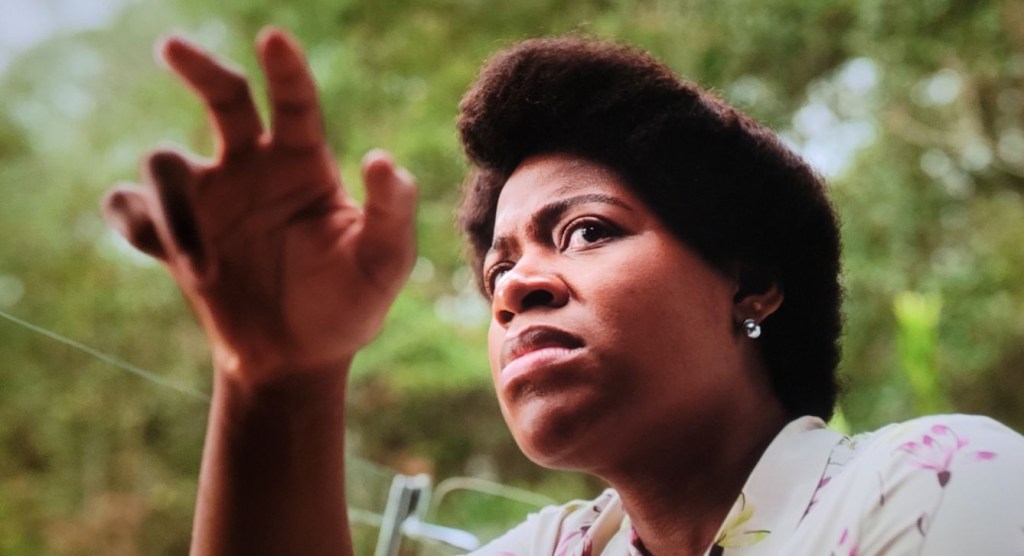
Everyone sounds far to educated and eloquent.
Celie is the storyteller. We are getting her point of view throughout The Color Purple. At the beginning, she is basically illiterate. In the book, as she tells her story, she improves gradually. In the first film, her quest for literacy was a process. It was part of the visual story. In the second film, they introduce her as basically literate, reading along with her sister who was allowed to go to school. This fundamentally changes the understanding of the true breadth of Celie’s vulnerability and victimhood.
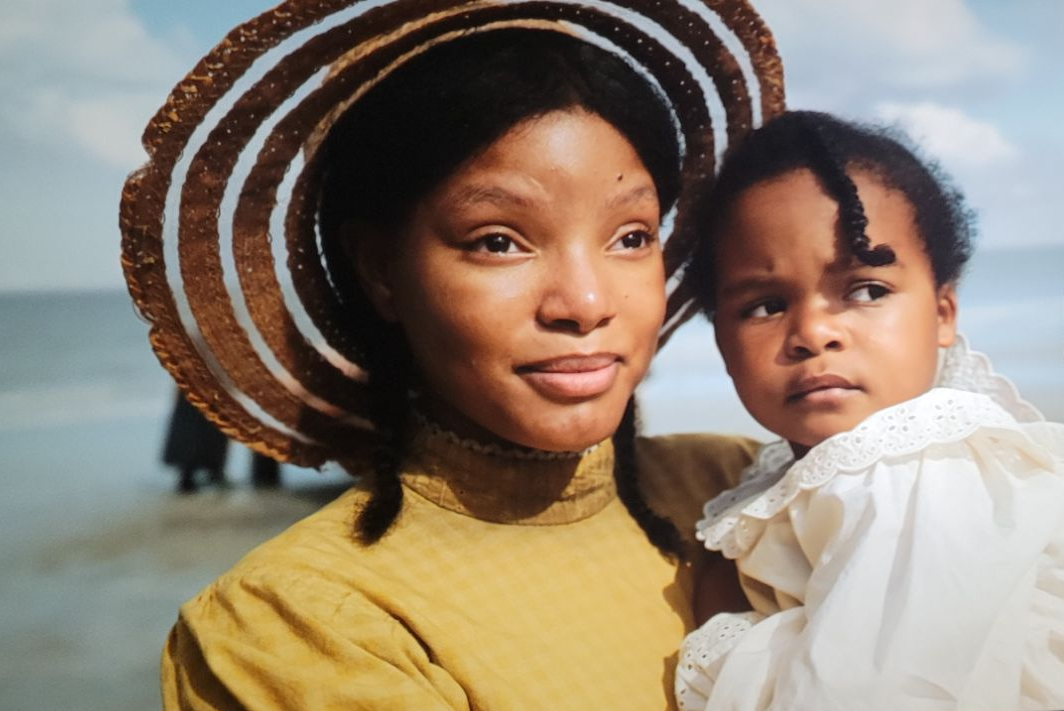
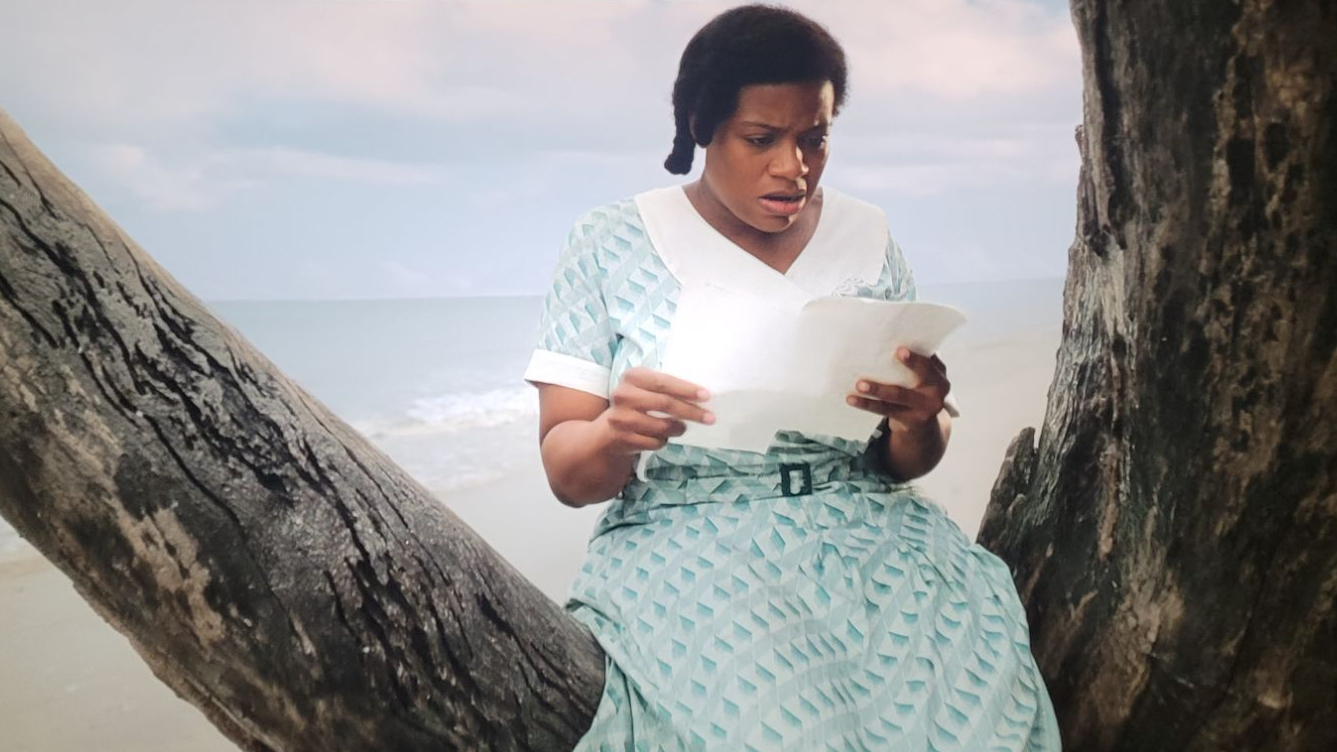
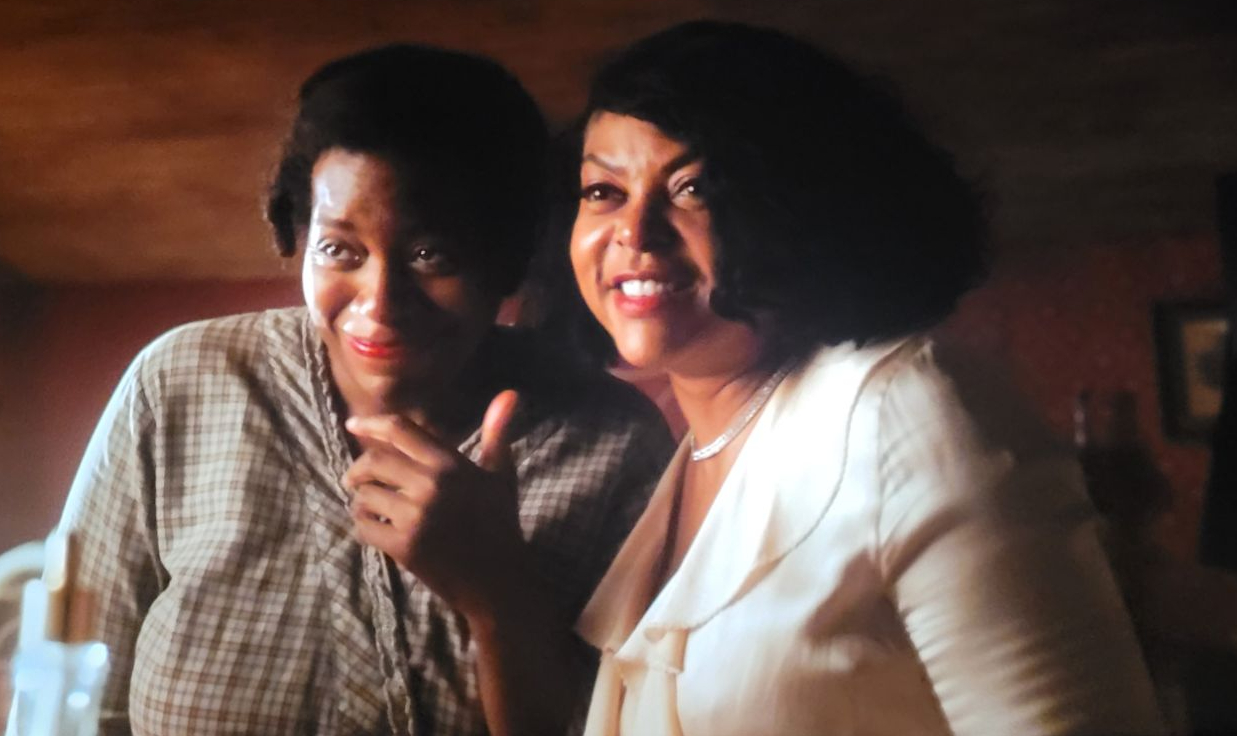
She didn’t have language, she didn’t have voice, she understood very little, she was not allowed to go to school, had no agency and was completely powerless in her life. Introducing her as semi-literate changes most of that. Especially when you look at how Nettie’s education provided a means of escape from a similar fate as Celie’s. Nettie was out-spoken, knowledgeable and aware of the workings of the world. She tried to pour as much of herself into her sister as possible before they were separated. This is why Celie and Shug coming together is so poignant and powerful. Shug completed the process of pouring enough love into Celie that Celie was able to find her voice, her words, and her power, thereby changing her life.
Two huge disappointments:
In the original movie, the piano player in the juke joint scene heralded trouble by slamming his piano closed and saying, “Time t’go!” In this version a musician is seen packing up, but there’s no comment on the coming trouble.
Shug finally reconciling with her father, is one of the best scenes in the original movie. It’s one of the points I cry at every time.
See, Daddy, sinners have soul too.
In the original movie, the scene where “Maybe God is tryin to tell ya something” is performed, is by far one of the most impactful and pivotal scenes. Shug had a come-to-Jesus moment where she not only turned fully to God, she brought her entire fawning fan community with her. Margaret Avery portrayed a woman who was repentant and deeply desirous of a reconciliation with her father. This scene is when she gets his recognition, acceptance and reconciliation. She walked into her father’s church with all of the Sunday afternoon juke joint patrons behind her providing a chorus to the song pulling her into the service. “Speak God. Speak to me. Speak Lord.” This scene gives me chills and brings me to tears every single time I watch this movie. It’s giving me chills as I watch the clip for this post.
Throughout her life, when she returned home, she’d visit her father at his church and each time he turned his back on her. This time, he embraced her and as she embraced him back, then she utters the most perfectly amazing line in cinematic history, “See, Daddy, sinners have soul, too.” The 2023 film left this out. They watered the scene down so much, they could’ve taken it out completely for the same impact.
Why they decided to leave this line and the emotional reconciliation out of the second film when they were verbatim with almost everything else is beyond me.
 Harvest Photo
Leave a comment